CONTACT US: (979) 968-3181 or (866) 968-3181 | PAY BY PHONE: (844) 971-1048 | TEXT "OUT": (844) 971-1048
Trees and Powerlines
Trees are an important part of Texas’s natural beauty and play a vital role in our environment. However, when trees grow too close to power lines, they can cause outages, property damage, and safety hazards. Regular trimming helps guide tree growth away from power lines, while mowing our rights-of-way keeps brush, vines, and young trees from creating obstacles for maintenance and repair crews.
FEC’s professional contractors maintain the necessary clearance for safe, reliable electric service—while preserving the health, beauty, and value of your trees. In accordance with Section VI (Easements & Rights of Way) of FEC’s tariff, members must allow personnel access to inspect, install, remove, or replace Cooperative property, including performing necessary tree trimming or removal when vegetation creates a hazard.
Tree Trimming
Request tree trimming near power lines or report a potential hazard.
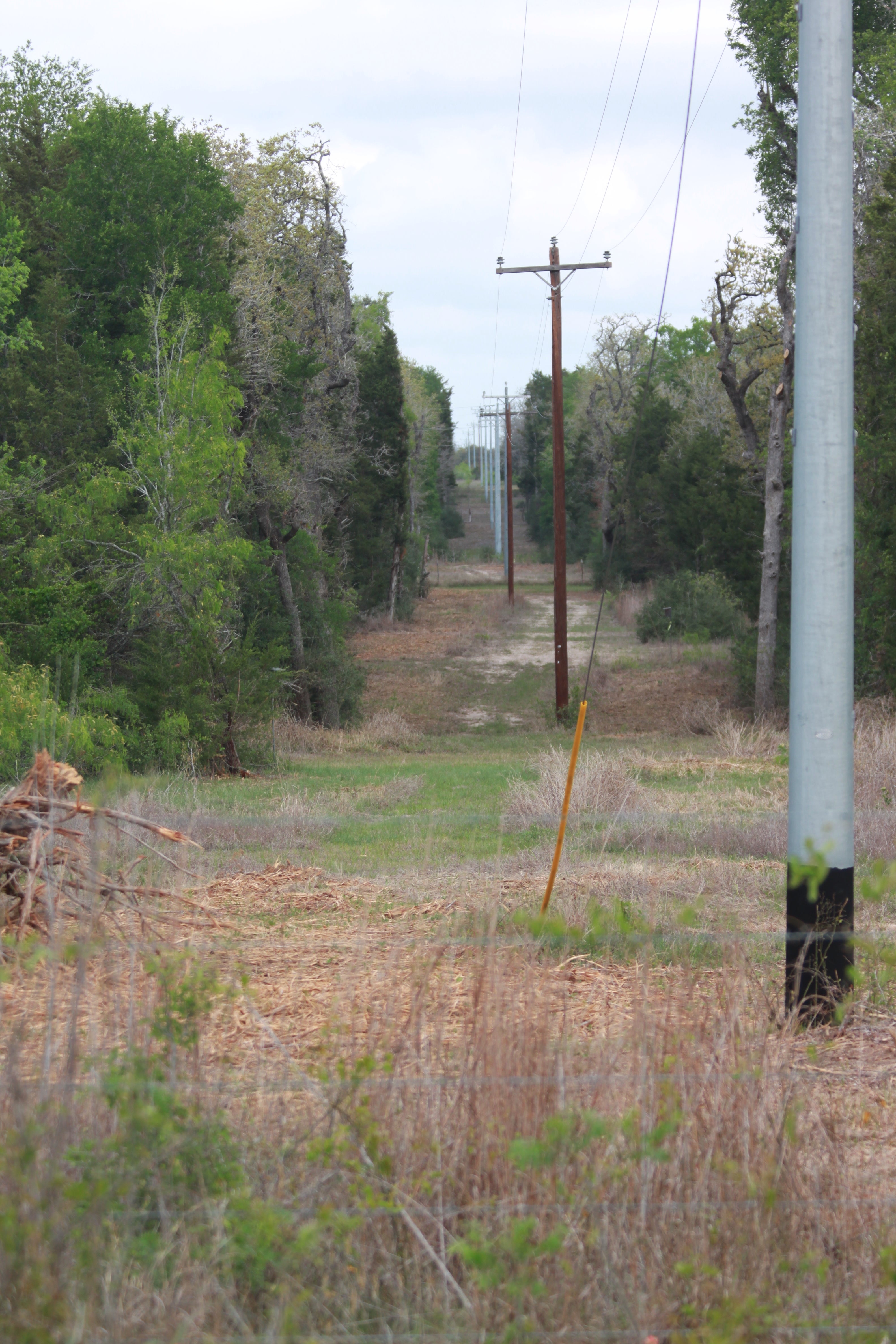
A well-maintained right-of-way prevents outages and enhances safety by keeping trees and limbs clear of power lines.
Fayette Electric Cooperative’s right-of-way program is a continuous, preventative maintenance program that involves trimming trees, removing dead and dangerous trees, and removing underbrush. A properly maintained right-of-way helps to reduce or eliminate power outages by keeping limbs and trees away from power lines.
Power outages caused by trees falling into power lines or electric service drops are one of the biggest problems that occur during thunderstorms, ice storms or whenever high winds blow through the service territory.
FEC constructs power lines for our Members on easements provided by the property owners. The co-op’s utility easements are filed with the County Clerk to provide ingress and egress by our crews in order to maintain the power lines and to keep the rights-of-way clear of trees and brush.
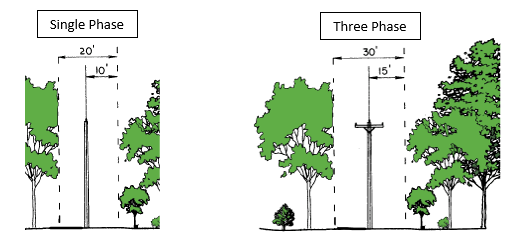
When crews clear a right-of-way, the minimum distance to cut back trees and brush is 20 feet – 10 feet on each side of single-phase lines. A 30-foot right-of-way, 15 feet on each side, is cleared under three-phase lines. Both procedures are standard for the industry.
Image
Vegetation management is a key component of wildfire mitigation. New legislation requires utilities to develop and implement wildfire mitigation plans. By removing vegetation and debris from beneath power lines, FEC reduces available fuel that could contribute to fires and helps minimize the potential for ignition or spread.
FEC’s proactive approach—including ground-to-sky trimming and the use of advanced data tools—supports community safety while meeting regulatory requirements.
Image
How do contractors decide which trees need trimming?
Right-of-way “re-clearing” means removing all vegetation and trees within FEC’s 20‑foot easement—10 feet on each side of the center line of our distribution line.
How often are rights-of-way cleared?
FEC operates on a five‑year trim cycle, balancing system reliability, wildfire risk reduction, and cost control.
Are chemical sprays used?
No herbicides are applied.
What equipment is used?
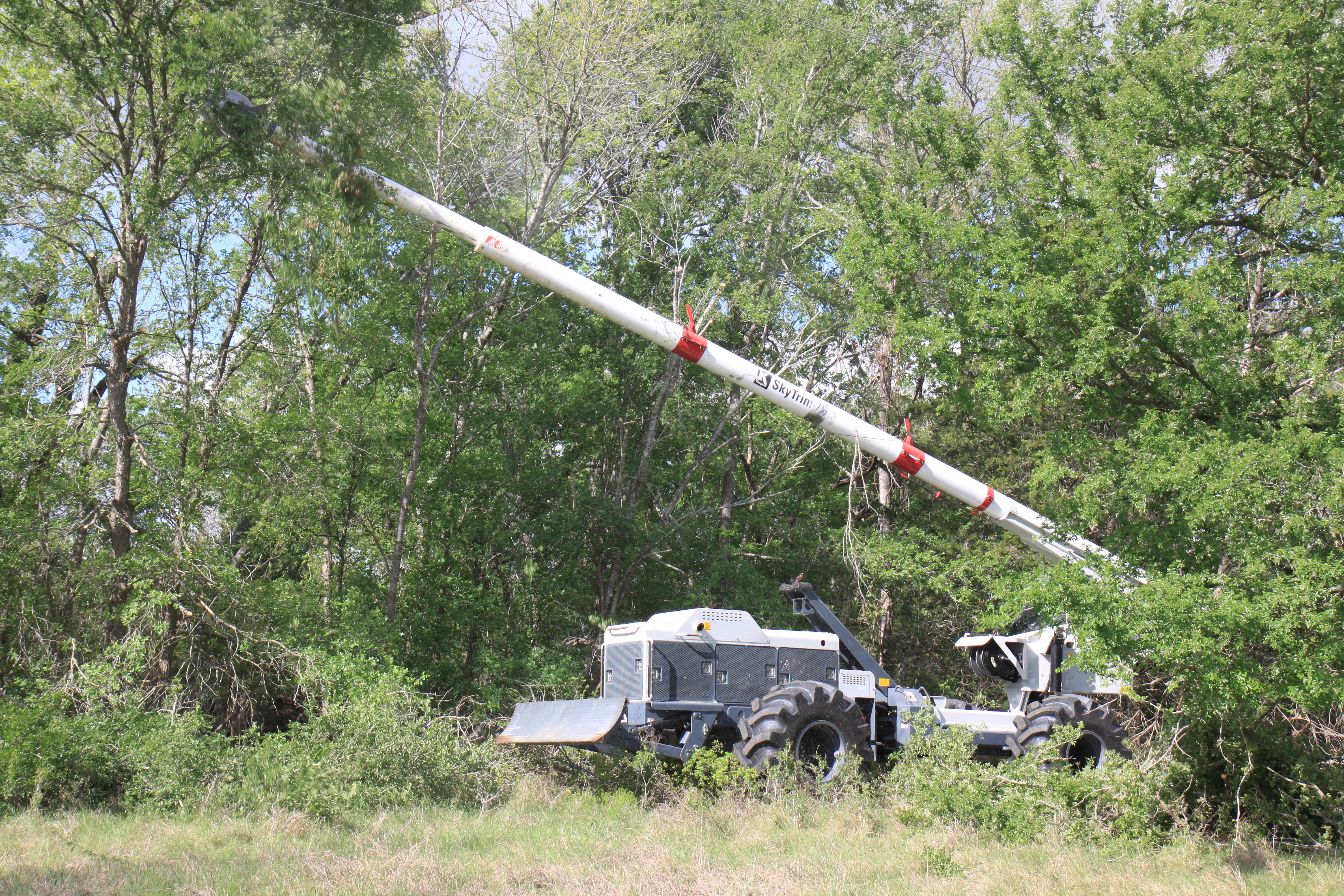
Bucket trucks, chainsaws, pruning tools, tree saws, and tractors with brush hogs.
What happens to the debris?
Contractors work to leave the area neat when trimming is complete. Debris may be shredded onsite or chipped and hauled away for disposal.
What does ground-to-sky clearing mean?
Ground‑to‑sky clearing removes vegetation from ground level to the canopy to ensure long-term reliability and reduced wildfire risk.
Below are the standard clearances:
- 10 feet from centerline for single‑phase lines
- 15 feet from centerline for three‑phase lines
Why is FEC cutting more than before?
FEC is shifting to a proactive, safety‑driven model using AI‑based vegetation risk identification tools to prioritize areas most at risk.
Why use a contractor like Pannell?
Pannell provides specialized expertise, equipment, and system capacity to support proactive vegetation management, cycle trimming, and hazard tree work.
Why was my neighbor’s vegetation cut, but mine wasn’t?
FEC uses satellite data to prioritize trimming based on vegetation risk and system impact, to complete full system clearing on a five‑year cycle.
Can I help with trimming on my property?
For safety and liability reasons, only FEC crews or authorized contractors may trim near power lines. Members can help by ensuring access and communicating concerns.
- Do not store items within rights-of-way. These areas must remain open for maintenance and emergency access.
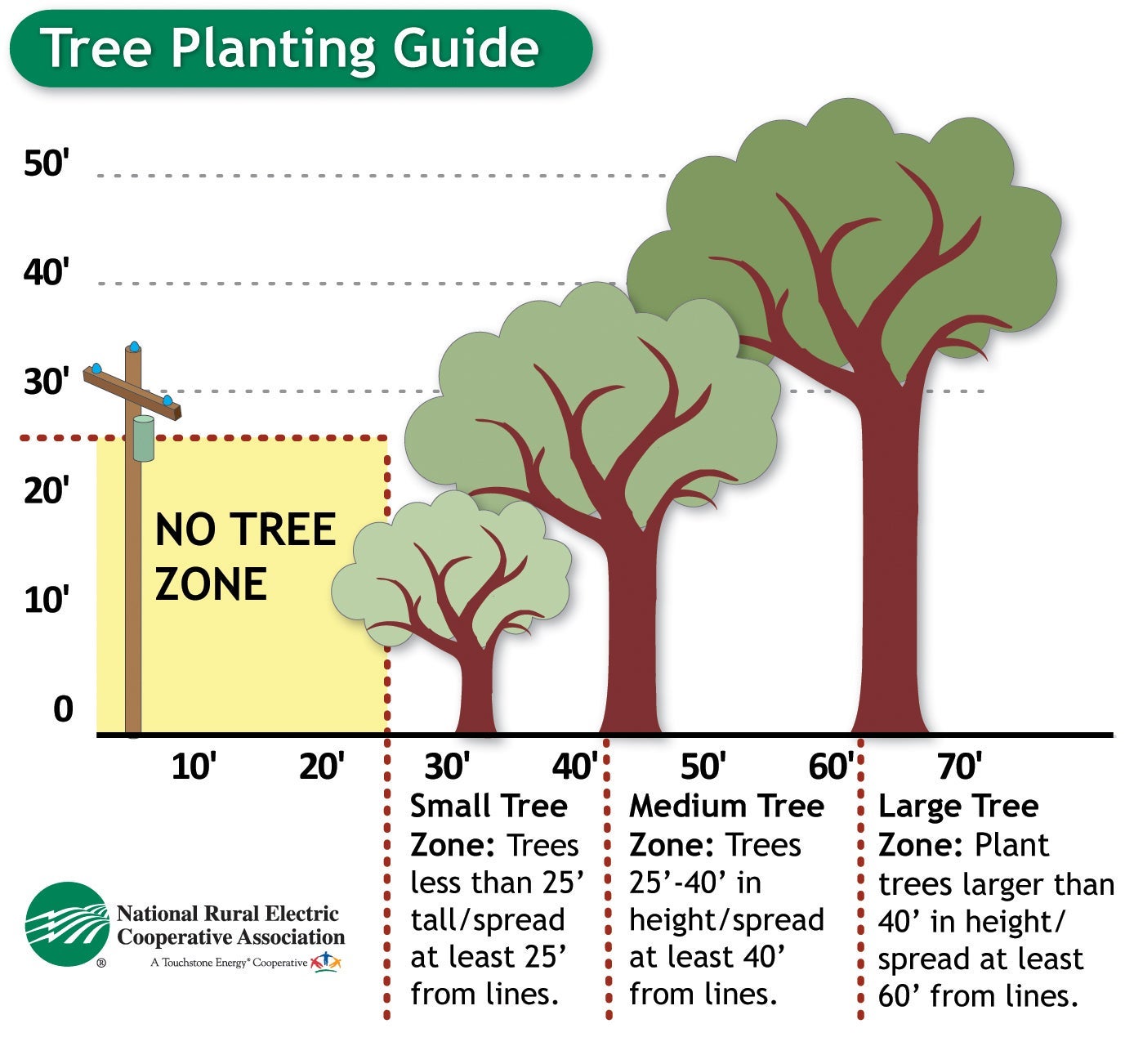
- Plant trees and shrubs a safe distance from power lines. Consider mature height and spread.
- Keep landscaping features outside designated rights-of-way.
Report dead, weak, or damaged trees near power lines. FEC will evaluate hazards but cannot remove debris from trees that were already compromised before trimming.
FEC appreciates members’ cooperation as we work to maintain a safe, reliable electric system for our community.